
Why Testosterone Matters for Women Mood Energy Muscle Strength and More

Testosterone is often labeled a “male hormone,” but that description leaves out half the story. Women produce testosterone too, and it plays a real role in mood, energy, muscle strength, sexual health, bone support, and overall well-being.
The amount is much lower than in men, but “lower” does not mean “unimportant.” When testosterone levels fall too low, some women notice changes that feel vague at first: fatigue, reduced motivation, weaker workouts, low mood, and a drop in sexual desire. These symptoms can overlap with stress, poor sleep, thyroid problems, anemia, menopause, and other health concerns, which is why testosterone is often overlooked.
This article is for education only and is not a substitute for medical care. Hormone concerns should be discussed with a qualified health professional who can review symptoms, health history, and lab results together.

Testosterone is part of women’s normal hormone health
Women make testosterone mainly in the ovaries and adrenal glands, which are small glands located above the kidneys. Some testosterone also comes from other hormones that the body converts into testosterone.
Testosterone levels usually shift across life. They may change with:
Age
Menstrual cycle changes
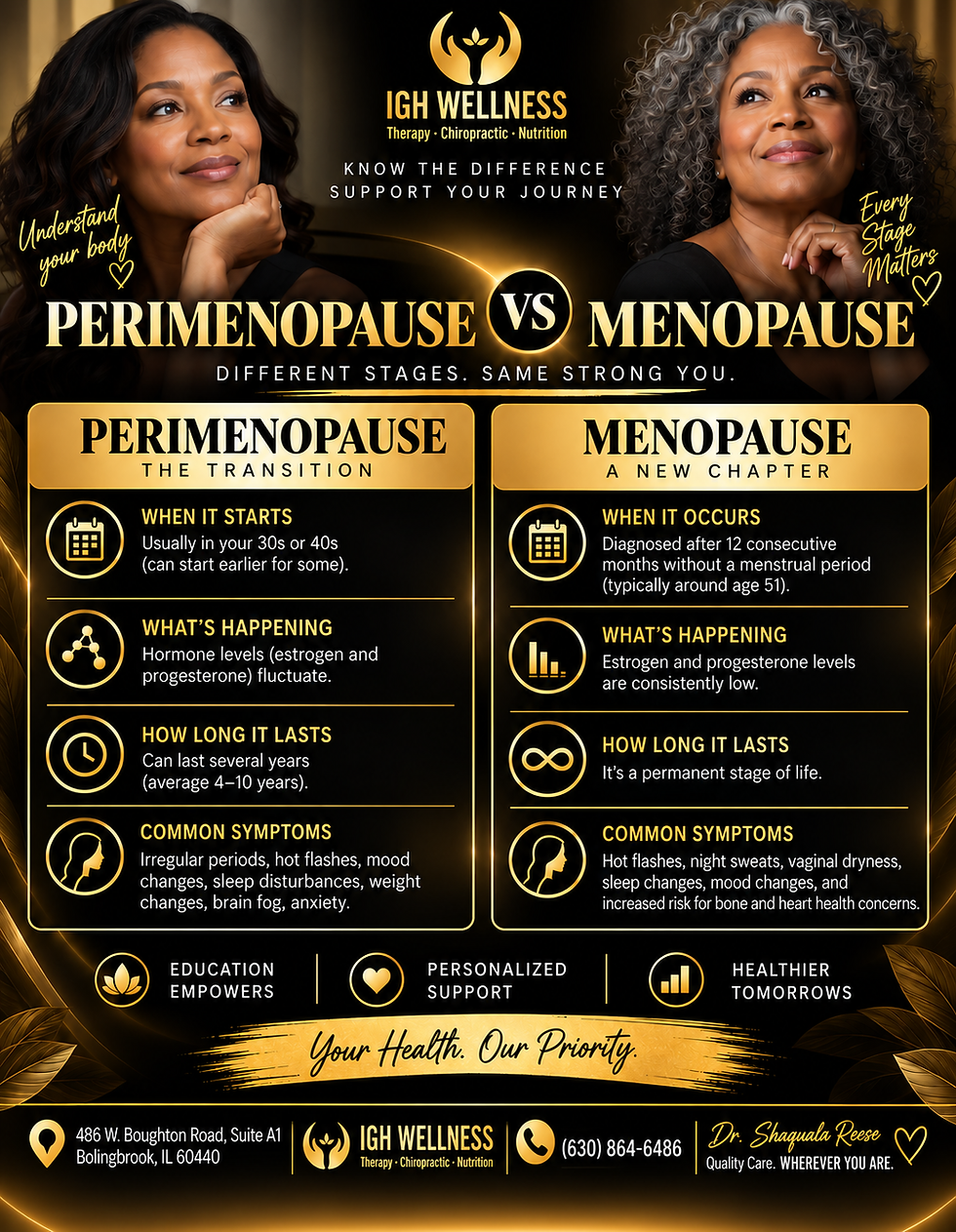
Perimenopause and menopause
Surgical removal of the ovaries
Certain medications
Chronic stress
Sleep problems
Major weight changes
Some medical conditions
A common misunderstanding is that estrogen is the only hormone that matters for women. Estrogen is very important, but it works as part of a larger hormone system. Testosterone is part of that system.
Researchers and menopause experts have paid more attention to testosterone in recent years. The 2019 Global Consensus Position Statement on Testosterone Therapy for Women, written by international experts in women’s health and hormone care, confirmed that testosterone has a recognized role in female sexual function. It also made a careful point: testosterone treatment is not a cure-all, and it should not be used casually or without medical guidance.
That balanced message matters. Testosterone is neither something to fear nor something to chase. It is one piece of a complex health picture.
How testosterone supports mood and mental well-being
Mood is shaped by many factors, including sleep, stress, relationships, nutrition, movement, medical conditions, and life stage. Hormones can also play a role.
Testosterone appears to interact with brain chemicals involved in motivation, pleasure, focus, and emotional steadiness. When levels are low, some women describe feeling flat, less resilient, or less interested in activities that used to feel rewarding.
Research has found links between testosterone and mood, though the relationship is not simple. Some studies show that women with lower testosterone may report lower mood, reduced well-being, or less sexual interest. But low mood can also come from many other causes, so testosterone should not be treated as the only explanation.
A practical way to think about it is this: testosterone may help support the “drive” system in the body. That can include motivation, interest, and a sense of vitality. When that system feels dimmed, testosterone may be one factor worth checking, especially when symptoms appear alongside fatigue, low desire, and loss of strength.
Signs mood changes may be hormone-related
Mood symptoms may deserve a hormone review when they appear with other changes, such as:
Lower motivation without a clear cause
Reduced interest in sex or intimacy
New fatigue despite enough sleep
Less confidence during exercise
Brain fog or trouble concentrating
Low mood that started around perimenopause or menopause
Ready to Balance Your Hormones?
If you are experiencing unexplained fatigue, mood shifts, or changes in your vitality, you don't have to navigate it alone. Reach out to schedule a consultation:
Dr. Shaquala Reese
IGH Wellness
📍 486 W. Boughton Road, Suite A1, Bolingbrook, IL 60440
📞 (630) 864-6486


Comments