
Recognizing Hormonal Imbalance: Key Signs You Shouldn't Ignore

Hormones play a crucial role in regulating many of the body’s functions, from mood and energy levels to metabolism and reproductive health. When hormones fall out of balance, the effects can ripple through your entire system, causing symptoms that often go unnoticed or are mistaken for other issues. Understanding the signs of hormonal imbalance can help you take control of your health before problems worsen.
Whether you live in Bolingbrook or elsewhere, knowing when to seek expert advice is essential. Professionals like Dr. Shaquala Reese at IGH Wellness can provide guidance and treatment options tailored to your needs. This article explores the key signs of hormonal imbalance and what you can do about them.

What Causes Hormonal Imbalance?
Hormonal imbalance occurs when your body produces too much or too little of certain hormones. This can happen due to various reasons:
Stress: Chronic stress increases cortisol, which disrupts other hormones.
Poor diet: Nutrient deficiencies affect hormone production.
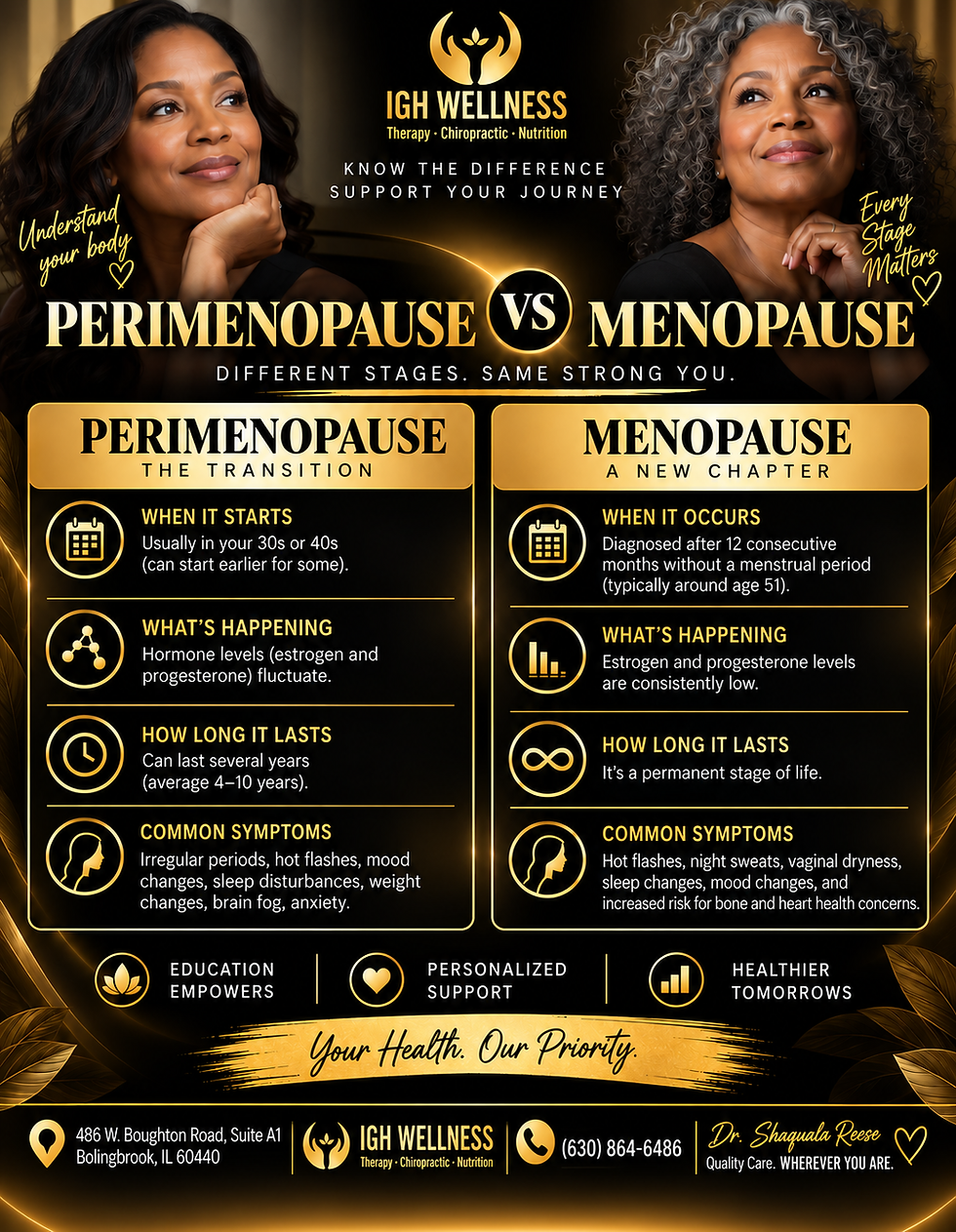
Aging: Hormone levels naturally decline or fluctuate with age.
Medical conditions: Thyroid disorders, diabetes, and polycystic ovary syndrome (PCOS) impact hormone levels.
Medications: Some drugs interfere with hormone regulation.
Lifestyle factors: Lack of sleep, inactivity, and exposure to toxins can contribute.
Recognizing these causes helps you understand why symptoms appear and how to address them.
Common Signs of Hormonal Imbalance
Hormonal imbalances can affect men and women differently, but some symptoms are common across the board. Watch for these signs:
1. Unexplained Weight Changes
Sudden weight gain or loss without changes in diet or exercise can signal hormonal issues. For example, an underactive thyroid slows metabolism, leading to weight gain. Conversely, excess cortisol from stress can cause fat accumulation around the abdomen.
2. Fatigue and Low Energy
Feeling tired despite adequate sleep may indicate hormone disruption. Thyroid hormones regulate energy, and imbalances can cause persistent fatigue. Low testosterone in men or estrogen fluctuations in women also contribute to low energy.
3. Mood Swings and Anxiety
Hormones influence brain chemistry. Imbalances can cause irritability, anxiety, depression, or mood swings. Women often experience this during menopause or PMS, but men can also be affected by testosterone changes.
4. Irregular Menstrual Cycles
For women, irregular or missed periods are a clear sign of hormonal imbalance. Conditions like PCOS or thyroid problems disrupt the menstrual cycle and fertility.
5. Sleep Problems
Hormones like melatonin and cortisol regulate sleep patterns. Imbalance can lead to insomnia or poor-quality sleep, which then worsens hormonal health in a cycle.
6. Skin and Hair Changes
Hormonal shifts can cause acne, dry skin, hair thinning, or excessive hair growth in unusual areas. These changes often point to androgen or thyroid hormone issues.
7. Digestive Issues
Hormones affect digestion and gut health. Symptoms like bloating, constipation, or diarrhea may be linked to imbalances, especially involving cortisol or thyroid hormones.
When to Seek Help from IGH Wellness in Bolingbrook
If you notice several of these symptoms persisting for weeks or months, it’s time to consult a healthcare provider. At IGH Wellness in Bolingbrook, Dr. Shaquala Reese offers personalized hormone testing and treatment plans. Early intervention can prevent complications and improve quality of life.
You can reach out to IGH Wellness at (630) 864-6486 to schedule an appointment or learn more about hormone health services.
How Hormonal Health is Evaluated
A thorough evaluation includes:
Medical history review: Understanding symptoms and lifestyle.
Physical exam: Checking for signs like skin changes or weight fluctuations.
Blood tests: Measuring hormone levels such as thyroid hormones, cortisol, estrogen, progesterone, and testosterone.
Additional tests: Sometimes saliva or urine tests provide further insight.
Based on results, Dr. Shaquala Reese at IGH Wellness will recommend treatments that may include lifestyle changes, nutritional support, or hormone therapy.
Practical Steps to Support Hormonal Balance
While professional care is vital, you can take steps at home to support your hormones:
Manage stress: Practice relaxation techniques like meditation or yoga.
Eat a balanced diet: Focus on whole foods rich in vitamins and minerals.
Exercise regularly: Physical activity helps regulate hormones.
Get enough sleep: Aim for 7-9 hours per night.
Avoid toxins: Limit exposure to chemicals found in plastics and some personal care products.
These habits complement medical treatment and promote overall well-being.
Understanding the Impact of Hormonal Imbalance
Ignoring hormonal imbalance can lead to serious health issues such as infertility, osteoporosis, heart disease, and diabetes. Recognizing symptoms early allows for timely care and better outcomes.
If you live near Bolingbrook and suspect hormonal imbalance, contacting IGH Wellness is a proactive step. Dr. Shaquala Reese and her team provide compassionate care tailored to your unique needs.


Comments