
Boosting the Bottom Line: Why Employee Wellness is a Smart Investment

Employee wellness programs are no longer just a perk; they have become a critical factor in business success. Companies that invest in the health and well-being of their workforce often see significant returns in productivity, morale, and overall profitability. This post explores why prioritizing employee wellness makes financial sense and how businesses can implement effective wellness strategies.

The Financial Impact of Employee Wellness
Poor employee health leads to increased absenteeism, higher healthcare costs, and reduced productivity. According to the Centers for Disease Control and Prevention (CDC), chronic diseases such as heart disease, diabetes, and obesity cost employers billions annually in lost productivity and medical expenses. Investing in wellness programs can reduce these costs by promoting healthier lifestyles and early intervention.
For example, companies that offer wellness programs see an average of 28% reduction in sick leave, 26% reduction in health costs, and 30% reduction in workers’ compensation and disability claims. These numbers translate directly into savings that improve the bottom line.
How Wellness Programs Improve Productivity
Healthy employees tend to be more focused, energetic, and motivated. Wellness initiatives that include physical activity, mental health support, and nutrition education help employees maintain their energy levels and reduce stress. This leads to better concentration and fewer errors at work.
Programs that encourage regular breaks, mindfulness sessions, or access to counseling services can also reduce burnout. When employees feel supported, they are more likely to stay engaged and committed to their roles.
Practical Steps to Implement Employee Wellness
Businesses looking to start or improve wellness programs can take several practical steps:
Assess employee needs through surveys or health screenings to tailor programs effectively.
Offer flexible options such as gym memberships, virtual fitness classes, or healthy snacks.
Provide access to mental health resources including counseling or stress management workshops.
Encourage regular health check-ups and preventive care.
Create a supportive culture where wellness is valued and encouraged by leadership.
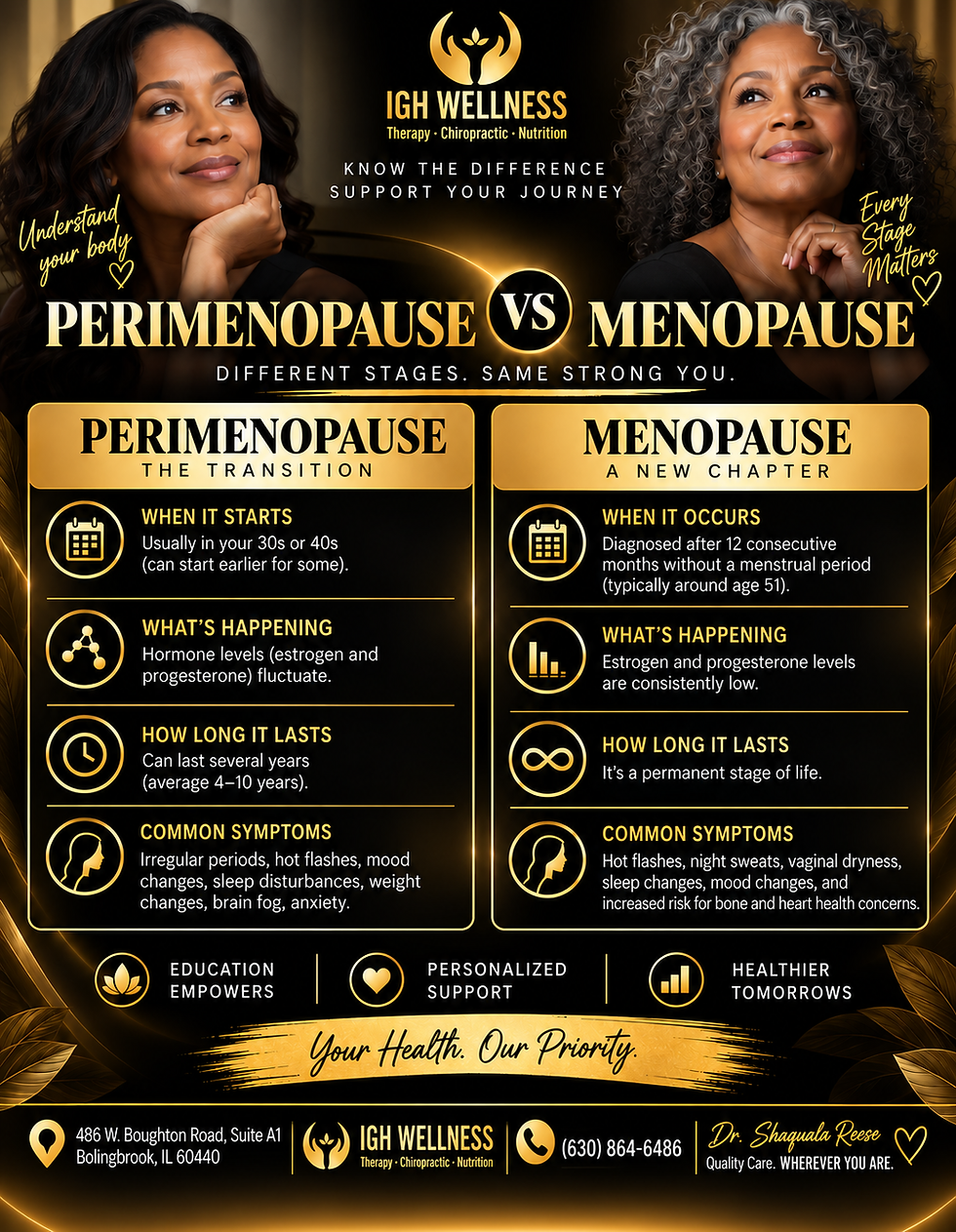
Local wellness centers like IGH Wellness provide comprehensive services that companies can partner with to support their employees. Located at 486 W. Boughton Road, Suite A1, Bolingbrook, IL 60440, IGH Wellness offers personalized health plans guided by experts such as Dr. Shaquala Reese. Businesses can contact them at (630) 864-6486 to explore tailored wellness solutions.
Case Study: A Mid-Sized Company’s Wellness Journey
A mid-sized manufacturing company partnered with IGH Wellness to launch a wellness program focused on physical activity and nutrition. Over 12 months, the company reported:
20% decrease in employee sick days
15% improvement in employee satisfaction scores
10% reduction in health insurance claims
Employees appreciated the personalized coaching from Dr. Shaquala Reese and the convenient location at 486 W. Boughton Road, Suite A1, Bolingbrook, IL 60440. The company credits the program with creating a healthier, more engaged workforce that contributed to increased productivity and profitability.
The Role of Leadership in Wellness Success
Leadership commitment is essential for wellness programs to succeed. When managers actively participate and promote wellness activities, employees feel encouraged to join. Leaders can also allocate resources and time to wellness initiatives, signaling that employee health is a priority.
Regular communication about wellness benefits and success stories helps maintain momentum. Recognizing employees who make healthy choices can further motivate participation.
Measuring the Impact of Wellness Programs
To ensure wellness programs deliver value, businesses should track key metrics such as:
Absenteeism rates
Employee engagement and satisfaction
Healthcare costs
Productivity indicators
Feedback from employees can also guide program adjustments. Partnering with wellness providers like IGH Wellness allows companies to access expert evaluation and support.


Comments